
Can luck really be on your side at the casino?
The Concept of Luck in Gambling
The notion of luck is often romanticized in gambling circles, where players attribute their wins to fortuitous circumstances beyond their control. In casinos, the environment is crafted to evoke feelings of chance and unpredictability, from the spinning of slot machines to the roll of dice. This allure can lead many to believe that luck plays a pivotal role in their gaming outcomes, creating a dichotomy where skill is often overshadowed by chance. On the other hand, exploring options like australian neosurf casino can provide players with new insights into their chances, making it vital to understand that luck is just one part of a more complex equation that includes various elements of strategy and probability.
It is essential to recognize that luck is largely subjective and can fluctuate dramatically from one player to another. For example, one player may feel particularly lucky on a given night, winning consecutive hands in poker, while another may experience a string of losses, attributing these results to bad luck. This variability raises fascinating questions about the nature of luck itself and how it impacts players’ psychology at the tables. The belief in luck can enhance the excitement of gambling, but it can also lead to misguided decisions based on the emotional highs and lows of gaming.
Ultimately, while luck can indeed play a role in individual games, it’s vital for players to recognize that it is only one aspect of the broader gambling experience. Understanding the odds, employing strategic thought, and making informed decisions can often mitigate the role of luck, leading to a more balanced perspective on winning and losing in a casino environment. Therefore, while players may instinctively lean on luck as a source of comfort, conscious decision-making and awareness of game mechanics are equally crucial in shaping their overall success.
The Role of Probability and Odds
In any casino game, the outcomes are governed by probability and odds, which are crucial for understanding how luck interacts with the overall experience. Each game has a unique set of odds that dictate the player’s potential for winning. For instance, in blackjack, players can influence their fate by making strategic decisions based on the cards dealt. This analytical approach illustrates that while luck may initially determine a player’s hand, skillful choices can lead to significant advantages over time. Such strategic thinking transforms the player’s experience from mere luck into a calculated endeavor.
On the other hand, slot machines operate on a random number generator (RNG) system, which emphasizes the role of luck even more dramatically. Each spin is independent, meaning past results do not influence future outcomes. Here, the element of chance is heightened, demonstrating that while players may experience streaks of luck, the underlying mechanics are firmly rooted in randomness. Understanding the odds not only informs players about potential payouts but can also shape their approach to bankroll management and game selection, allowing for a more informed gambling experience.

The distinction between luck and skill is vividly illustrated in games like poker, where experienced players often outperform novices consistently. While luck may favor players in the short term, those who can effectively read their opponents and manage their betting strategies typically find greater long-term success. This underscores the importance of integrating skill and strategy into gambling, rather than solely relying on luck to dictate performance at the casino. By recognizing the balance between these two elements, players can navigate their gaming choices with greater insight.
Psychology of Gambling and Luck
The psychological aspects of gambling significantly influence how individuals perceive and engage with luck in the casino. Cognitive biases, such as the “gambler’s fallacy,” lead players to believe that past results will influence future outcomes, creating a distorted sense of control over their luck. For example, if a player observes a losing streak on a particular slot machine, they might think that a win is “due,” fundamentally misunderstanding the nature of the probability involved. This reinforces a relationship with luck that can be detrimental to betting strategies and decision-making processes.
Additionally, the thrill associated with gambling can alter perceptions of luck. When players experience wins, even small ones, they often attribute those outcomes to their lucky charm, rituals, or positive thinking, reinforcing their belief in luck’s presence. These factors can enhance the enjoyment of the gaming experience but may also lead to problematic behavior, as players chase losses in hopes of striking it lucky again, often leading to financial difficulties. Recognizing these psychological traps is crucial for maintaining a healthy gambling habit.
To foster a healthier relationship with luck and gambling, players should cultivate an understanding grounded in rationality and self-awareness. Recognizing the random nature of outcomes can alleviate the pressure to rely solely on luck, promoting a more holistic approach to gaming. This means acknowledging losses as part of the experience, rather than being solely focused on the dichotomy of luck versus skill. By doing so, players can maintain a more positive and balanced relationship with their gaming endeavors, ultimately leading to a more enjoyable experience.
Strategies to Enhance Winning Chances
While luck can play its part in casino gaming, players can employ various strategies to enhance their chances of winning. This involves understanding the nuances of each game and selecting those with better odds. For instance, games like blackjack and video poker present more favorable returns when played with optimal strategies, thereby shifting the balance slightly away from luck and towards skill. Players must invest time in learning the rules and strategies to maximize their potential for success, thereby transforming their approach to the game.
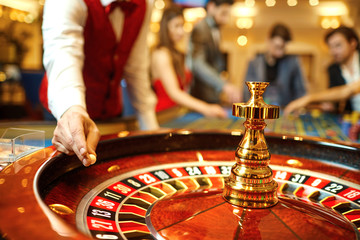
Another important strategy is effective bankroll management. Players should set limits and establish a sensible budget for their gambling activities. This approach not only fosters responsible gaming practices but also helps mitigate the emotional rollercoaster of relying on luck. By managing their funds wisely, players can enjoy their time at the casino without overly stressing about their luck affecting their outcomes. The psychological comfort of having a plan can enhance the overall experience and allow for a more enjoyable time at the casino.
Additionally, engaging in games that allow for strategic decision-making, such as poker or blackjack, enhances the player’s ability to influence the game’s outcome. Players can invest time in refining their skills, learning about the intricacies of gameplay, and even studying psychological tactics to outsmart opponents. By implementing these strategies, players can create a more balanced relationship with luck, allowing them to enjoy the thrill of gambling while optimizing their chances for success. This proactive approach to gaming cultivates both skill and enjoyment, enriching the overall gaming experience.
Exploring Responsible Gaming Resources
For those interested in gambling, responsible gaming resources play a crucial role in ensuring a healthy interaction with luck and the overall gaming experience. Websites and organizations dedicated to promoting responsible gaming provide valuable information, tools, and support to help players understand the risks associated with gambling. They emphasize the importance of self-assessment and understanding one’s limits, helping players maintain a balanced approach. This awareness is essential for fostering a sustainable gaming environment where the excitement of gambling does not overshadow the necessity for responsible behavior.
Moreover, many casinos have adopted practices that encourage responsible gaming, such as offering self-exclusion programs and access to counseling services. These initiatives aim to create a safer gambling environment where players recognize that luck can be an unpredictable variable. Being aware of responsible gambling resources enables players to enjoy casinos positively while managing potential risks associated with excessive gaming. This proactive stance helps to create a culture of safety and respect in the gaming community, ensuring that fun does not lead to negative consequences.
Ultimately, the relationship between luck and casinos is complex. While luck can certainly play a role in the gaming experience, responsible gaming emphasizes the importance of understanding oneself, developing strategies, and fostering a balanced outlook. By utilizing available resources, players can navigate the casino landscape with confidence, armed with knowledge and mindfulness about the nature of luck. This informed approach to gambling can lead to more enjoyable and sustainable gaming experiences, where players can relish the thrill without compromising their well-being.